Picture this: you’re weaving through a bustling market in Marrakech, capturing the vibrant chaos with your phone, when suddenly you feel a tug on your bag. In that split second, your entire trip could unravel—passport, cash, cards, phone, all gone. For solo travelers, this isn’t just a nightmare scenario; it’s a daily reality in tourist hotspots worldwide. Your bag isn’t merely an accessory—it’s your mobile command center, your safety net, and often your only companion.
This is why anti-theft crossbody bags have evolved from niche security products to essential travel gear. Unlike regular purses or backpacks, these purpose-built carriers employ sophisticated engineering to outsmart even the most determined thieves. But here’s the thing: not all “anti-theft” bags are created equal, and the best choice depends on your travel style, destination, and personal needs. Let’s dive deep into what makes these bags indispensable and how to choose one that works as hard as you do to protect your adventures.
Top 10 Anti-Theft Crossbody Bags for Solo Travelers
Detailed Product Reviews
1. Travelon Anti-Theft Classic Convertible Crossbody & Waist Pack

Overview: The Travelon Anti-Theft Classic Convertible Pack is a versatile security solution for travelers who prioritize safety without sacrificing convenience. This hybrid design functions as both a crossbody bag and waist pack, featuring Travelon’s renowned 5-Point Anti-Theft security system. Measuring 8"W x 7"H x 2"D and weighing just 0.7 lbs, it offers a compact yet organized solution for carrying essentials.
What Makes It Stand Out: The convertible design sets this apart from typical anti-theft bags. The 5-Point system includes locking compartments, slash-resistant body and strap, plus the ability to secure the strap to stationary objects. The locking main compartment features RFID-blocking passport and card slots, a zip wall pocket, and tethered key clip. The slash-resistant strap adjusts from 14" to 25" drop, accommodating various body types.
Value for Money: At $32.00, this bag sits in the mid-range for anti-theft accessories. The dual-function design effectively provides two bags for one price, while the comprehensive security features rival premium brands costing $50+. The build quality and Travelon’s reputation justify the investment for security-conscious travelers.
Strengths and Weaknesses: Pros: True convertible design, comprehensive 5-point security, RFID protection, lightweight, reputable brand. Cons: Limited capacity (8" wide), 2" depth restricts bulkier items, minimalist aesthetic may not suit all styles, strap conversion requires adjustment.
Bottom Line: Ideal for travelers seeking maximum security in a compact, versatile package. The convertible functionality and proven anti-theft features make it worth the modest premium over basic alternatives.
2. WANDER PLUS® Anti Theft Crossbody Travel Bag for Women Men, Multi-Pocket Crossbody Bag, Slim Sling Bag with Adjustable Strap, Black

Overview: WANDER PLUS delivers a streamlined anti-theft crossbody designed for modern travelers and commuters. This unisex sling bag emphasizes discreet security and quick-access convenience, making it ideal for navigating airports, public transit, and urban environments. Its slim profile hugs the body while providing organized storage for daily essentials.
What Makes It Stand Out: The bag’s primary distinction is its emphasis on discreet wearability under jackets for enhanced security. The multi-pocket design with reinforced, water-resistant fabric addresses practical concerns without bulk. Adjustable straps and deep pockets accommodate various usage scenarios from travel to outdoor activities, prioritizing functional minimalism.
Value for Money: Priced at $26.78, this represents excellent entry-level value. It undercuts most anti-theft competitors while delivering core security benefits like body-hugging design and water resistance. While lacking advanced features like lockable zippers or slash-proofing, the price point makes it accessible for budget-conscious buyers seeking basic protection.
Strengths and Weaknesses: Pros: Affordable price, lightweight and slim, water-resistant fabric, versatile for multiple scenarios, discreet under-garment wear, unisex design. Cons: No RFID blocking mentioned, no lockable compartments, lacks slash-resistant construction, limited brand recognition, basic security features only.
Bottom Line: Perfect for those wanting affordable, basic anti-theft protection without frills. Best suited for low-risk environments and users who prioritize discretion and value over premium security features.
3. SYTRAH Anti Theft Crossbody Bags for Women, RFID Sling Bag Travel Purse, RFID Cross Body Purses Chest Bag for Travel Beige Brown

Overview: SYTRAH’s faux leather crossbody targets fashion-conscious travelers seeking comprehensive anti-theft protection. This versatile sling bag transitions between crossbody, chest bag, shoulder purse, and bum bag configurations. With dimensions of 7.48"L x 4.72"W x 11.42"H, it balances style with seven smart compartments for organized travel.
What Makes It Stand Out: The reversible strap design offers exceptional versatility, allowing left or right wear with adjustable length from 24.8" to 46.4". Built-in RFID-blocking slots (four cards) and a lock ring provide dual-layer security. The hidden back zip pocket specifically fits phones up to 6.9 inches, combining safety with accessibility. The beige-brown faux leather aesthetic distinguishes it from typical nylon security bags.
Value for Money: At $29.99, this bag delivers premium features at a mid-tier price. The reversible strap, RFID protection, and lock ring typically appear in $40+ bags. The faux leather construction offers style without the maintenance of genuine leather, representing strong value for fashion-forward buyers.
Strengths and Weaknesses: Pros: Stylish faux leather design, reversible/adjustable strap, RFID blocking, lock ring security, multiple wear options, hidden phone pocket, seven compartments. Cons: Faux leather may wear faster than nylon, 4.72" depth limits capacity, light colors show dirt, no slash-resistant construction mentioned, brand less established.
Bottom Line: Excellent choice for style-conscious travelers wanting versatile security features. The reversible strap and fashionable design make it a standout at this price point, ideal for urban exploration and daily use.
4. SYTRAH Sling Bag for Women, Anti-Theft RFID Crossbody Bag Nylon Sling Purse for Travel, Puffy Small backpack for Daily Hiking Sports Green

Overview: SYTRAH’s nylon sling bag offers a sporty, lightweight alternative to traditional anti-theft purses. This puffy-design crossbody targets active travelers and outdoor enthusiasts with water-resistant construction and versatile functionality. Measuring 7.48"L x 4.72"W x 11.42"H, it provides seven compartments in a compact, ergonomic package.
What Makes It Stand Out: The puffy nylon aesthetic combines fashion with function, standing out from typical flat anti-theft bags. It features an anti-theft lock ring, RFID-blocking pocket (five card slots), and a hidden back phone pocket. The reversible strap system allows multiple carry styles, while the water-resistant nylon material ensures durability in various weather conditions. The green colorway appeals to outdoor-oriented users.
Value for Money: At $29.99, this bag matches its faux leather sibling’s price while offering superior weather resistance. The lightweight nylon construction, puffy design, and comprehensive anti-theft features rival $35-$45 competitors. It’s particularly valuable for active users needing durability without sacrificing style.
Strengths and Weaknesses: Pros: Water-resistant nylon, lightweight puffy design, reversible strap, RFID blocking (5 slots), lock ring security, seven compartments, hidden phone pocket, sporty aesthetic. Cons: Puffy design may not suit formal settings, 4.72" depth limits bulkier items, no slash-resistance mentioned, limited color options, newer brand reputation.
Bottom Line: Ideal for active travelers and outdoor enthusiasts seeking a durable, water-resistant anti-theft bag. The unique puffy design and nylon construction make it perfect for hiking, sports, and casual travel.
5. WANDER PLUS Anti Theft Crossbody Bag, Shoulder Bag Anti-theft Design for Travel, Sport, Work, Black
Overview: WANDER PLUS’s premium anti-theft crossbody targets serious travelers seeking maximum capacity and durability. This bag combines smart organizational design with robust security features, making it suitable for travel, sports, and professional environments. The Oxford textile construction ensures complete waterproof protection while maintaining a slim, comfortable profile.
What Makes It Stand Out: The bag’s standout feature is its one-year warranty and 24-hour customer support guarantee, demonstrating exceptional brand confidence. The reflective band enhances nighttime safety for urban adventurers. Made from 100% waterproof Oxford textile with premium zippers, it prioritizes durability. The design emphasizes large capacity while maintaining a slim, body-hugging fit for security.
Value for Money: At $34.99, this is the priciest option but includes warranty protection and premium materials. The waterproof Oxford textile, reflective safety features, and brand-backed quality assurance justify the cost compared to similar $40-$50 bags. The warranty adds significant long-term value for frequent travelers.
Strengths and Weaknesses: Pros: 100% waterproof Oxford textile, one-year warranty, 24-hour customer support, reflective safety band, large capacity, slim profile, durable construction. Cons: Highest price in comparison, no specific RFID blocking mentioned, no lockable zippers detailed, limited aesthetic options, brand recognition still building.
Bottom Line: Best for frequent travelers prioritizing durability and customer support. The waterproof construction and warranty make it a reliable investment for those needing maximum protection and peace of mind.
6. Travelon Anti-theft Classic Slim Double Zip Crossbody Bag, Black, One Size
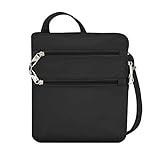
Overview: The Travelon Classic Slim Double Zip Crossbody delivers comprehensive anti-theft protection in an ultra-sleek profile. Measuring just 1 inch deep, this bag prioritizes security without bulk, making it ideal for urban explorers and light travelers who need essential protection in crowded environments.
What Makes It Stand Out: Travelon’s proven 5-Point Anti-Theft system includes slash-resistant construction, locking compartments, and RFID-blocking slots for cards and passports. The full organizer panel with multiple slip and zippered pockets keeps essentials neatly arranged. At 0.70 pounds, it’s remarkably lightweight, while the adjustable strap (15"-28" drop) offers versatile carrying options. The rear quick-access slip pocket provides convenient smartphone storage without compromising security.
Value for Money: At $41.99, this bag sits in Travelon’s mid-range pricing tier. The investment is justified by the brand’s reputation for reliability and the comprehensive security features rarely found at this price point. While slimmer models exist, few match the feature-to-price ratio for dedicated anti-theft protection.
Strengths and Weaknesses: Strengths include the ultra-slim profile, lightweight design, robust anti-theft system, and excellent internal organization. The main drawback is limited capacity—at only 1 inch deep, it won’t accommodate bulky items or water bottles. The minimalist design may not suit those needing to carry more than essentials.
Bottom Line: Perfect for travelers who prioritize security and sleekness over storage capacity. This bag excels in crowded tourist areas and daily commutes where theft risk is high, but pack light.
7. Travelon Anti-Theft Classic North/South Crossbody Bag

Overview: Travelon’s North/South Crossbody offers enhanced capacity while maintaining the brand’s signature security features. The vertical orientation provides surprising interior space, making it suitable for travelers who need more organization without sacrificing anti-theft protection.
What Makes It Stand Out: The 5-Point Anti-Theft system features surround slash-resistant body panels and shoulder straps, plus a lock-down strap that can secure the bag to stationary objects. Unique among these reviews, it includes a zippered mesh water bottle pocket—a rare convenience in secure bags. The roomy main compartment contains multiple slip pockets and a zippered pocket, while the front organizer panel keeps smaller items accessible.
Value for Money: Priced at $63.19, this represents Travelon’s premium tier. The larger dimensions (11.5"W x 11"H x 3.5"D) and additional features like the water bottle holder and enhanced slash protection justify the cost compared to slimmer models. For frequent travelers needing extra space, the premium is worthwhile.
Strengths and Weaknesses: Strengths include superior capacity, water bottle storage, comprehensive security coverage, and versatile organization. Weaknesses are its heavier weight (0.9 lbs) and bulkier profile, which may feel cumbersome for all-day wear. The higher price point also makes it a considered purchase.
Bottom Line: Ideal for travelers requiring more carrying capacity without compromising security. The water bottle pocket and lock-down strap make it perfect for full-day sightseeing and international travel.
8. Travelon Anti-Theft Metro Convertible Small Crossbody Bag

Overview: The Metro Convertible Small Crossbody combines Travelon’s security expertise with urban style in a compact, lightweight package. Part of the trendy Metro series, this bag targets fashion-conscious travelers who refuse to compromise on safety.
What Makes It Stand Out: Beyond the 5-Point Anti-Theft system, this bag features stylish raw gun-metal hardware and a 2-year guarantee—uncommon in this category. The tethered key clip and ability to attach the slash-resistant strap to stationary objects add practical security layers. The dedicated RFID passport pocket and four card slots provide specialized protection for travel documents.
Value for Money: At $30.29, this is Travelon’s most affordable option reviewed here. The price point makes premium anti-theft features accessible to budget-conscious buyers. While smaller than other models, the build quality and brand backing deliver exceptional value for light packers.
Strengths and Weaknesses: Strengths include the attractive design, lightweight build (0.55 lbs), tethering capability, and strong warranty. The main limitation is capacity—at just 8.5"W x 5.25"H, it holds only essentials. The shorter strap length (49") may not suit taller individuals, and organization is basic compared to larger models.
Bottom Line: An excellent entry-level Travelon for minimalists and style-focused travelers. Perfect for city walks and light travel where you need core security without carrying bulk.
9. SKYSPER Sling Bag RFID Cross Body Bag Recycled Crossbody Backpack Travel Daypack(Blue)

Overview: SKYSPER’s sling bag merges sustainability with practical anti-theft design at an accessible price point. This versatile bag appeals to eco-conscious consumers seeking hands-free convenience without the premium brand markup of established competitors.
What Makes It Stand Out: The recycled polyester construction reduces environmental impact while maintaining lightweight durability. The adjustable strap switches sides for ambidextrous wear, and the integrated sunglasses holder adds thoughtful convenience. It accommodates tablets up to 11 inches—impressive for its size—and features a hidden back pocket alongside RFID protection and anti-theft zipper clips.
Value for Money: At $24.35, this bag significantly undercuts premium competitors while offering comparable features. The sustainable materials and versatile design make it a standout value proposition. While not matching Travelon’s 5-point system, it covers essential security needs at nearly half the price.
Strengths and Weaknesses: Strengths include eco-friendly materials, ambidextrous design, tablet compatibility, comfortable padding, and excellent price. Weaknesses involve a less proven brand reputation, potentially lower durability than premium options, and basic anti-theft features compared to comprehensive systems. The sling design may not appeal to traditional crossbody users.
Bottom Line: A top choice for environmentally aware travelers on a budget. Ideal for day trips, commutes, and casual travel where moderate security and sustainability are priorities.
10. Anti-Theft Fanny Pack for Women & Men, Lightweight Secure Crossbody Waist Bag with Anti-Slip Adjustable Strap for Travel, Hiking, Running, Water-Resistant Belt Bag, Everyday Essentials Organizer Black

Overview: This versatile fanny pack reimagines the classic waist bag with modern anti-theft features and convertible styling. Designed for active users, it transitions seamlessly from belt bag to crossbody, offering hands-free security for travel, fitness, and daily errands.
What Makes It Stand Out: The convertible strap (25"-54") adapts to multiple wearing styles, while lockable zippers and a hidden back pocket provide essential anti-theft protection. The recycled PET fabric is 30% lighter than nylon and offers waterproof, scratch-resistant durability. At $13.99, it’s the most affordable option reviewed, yet includes a 1-year warranty and 24/7 customer support—uncommon at this price.
Value for Money: Exceptional value defines this bag. No competitor matches the feature set at this price point. The eco-friendly materials, TSA-compliant size, and versatility make it a budget champion. While anti-theft features are basic compared to premium brands, the cost-performance ratio is unbeatable.
Strengths and Weaknesses: Strengths include the ultra-low price, versatile wear options, waterproof construction, lightweight design, and strong warranty support. The fanny pack aesthetic may not suit professional settings, and capacity is limited to essentials. Anti-theft protection is functional but less comprehensive than 5-point systems.
Bottom Line: The ultimate budget pick for active travelers and minimalists. Perfect for running, festivals, and light travel where versatility and value outweigh brand prestige.
Why Solo Travelers Are Prime Targets for Theft
Solo travelers face unique security challenges that make them particularly vulnerable in unfamiliar environments. Without a travel companion to watch your back—literally—you’re forced to manage all your belongings independently while navigating new cities, public transportation, and crowded attractions. This divided attention creates perfect opportunities for opportunistic thieves.
Distraction is the pickpocket’s primary weapon, and solo travelers are naturally more distracted. You’re consulting maps, photographing landmarks, managing itineraries, and staying alert to your surroundings—all while trying to appear confident and unworried. Thieves recognize these tells: the subtle glance down at a phone for directions, the momentary confusion at a subway ticket machine, the brief hesitation at a crosswalk. These micro-moments of vulnerability are when you’re most exposed.
Moreover, solo travelers often carry everything valuable in a single bag—passport, emergency cash, backup credit cards, phone with digital backups of important documents. A single successful theft doesn’t just ruin your day; it can derail your entire trip. Understanding this heightened risk profile is the first step in appreciating why a genuine anti-theft crossbody bag isn’t an optional luxury but a fundamental piece of travel safety equipment.
What Makes a Crossbody Bag “Anti-Theft”?
The term “anti-theft” gets thrown around liberally in marketing materials, but genuine anti-theft design involves multiple layers of security working in concert. It’s not just about adding a lock to a zipper and calling it secure. True anti-theft crossbody bags are engineered from the ground up with security as the primary design principle, integrating protective features into every component.
At its core, an anti-theft bag assumes that a thief will attempt three main attack vectors: slashing the strap to snatch the bag, cutting into the body to access contents, and quickly unzipping compartments in crowded spaces. A properly designed bag addresses all three simultaneously. The magic lies in the synergy between materials, construction techniques, and hardware choices that create a system greater than the sum of its parts.
Think of it like a castle’s defenses—you don’t just have a moat; you have walls, watchtowers, a drawbridge, and guards working together. Similarly, a legitimate anti-theft crossbody bag combines slash-resistant fabrics, reinforced stitching, locking mechanisms, and strategic pocket placement to create multiple obstacles that slow down thieves and make your bag a less attractive target.
Slash-Proof Materials and Construction
The most critical feature distinguishing anti-theft bags from ordinary crossbody bags is slash-proof construction. Thieves often use razor blades or box cutters to slice through bag straps in crowded areas, catching the bag as it falls. Quality anti-theft bags embed cut-resistant materials like stainless steel wire mesh or Dyneema fibers within the strap itself. This flexible armor prevents clean cuts while remaining comfortable against your body.
The bag’s body requires similar protection. Slash-and-grab thieves may cut through the bottom or sides of a bag while it’s slung across your body, hoping contents will spill out. Premium bags incorporate slash-proof panels—typically made from ultra-high-molecular-weight polyethylene (UHMWPE) or metal mesh—between the outer fabric and inner lining. This invisible shield maintains the bag’s aesthetic appeal while providing serious security.
Construction quality matters enormously. Look for reinforced stitching at stress points, double-layered seams, and bartack reinforcement where straps attach to the bag body. These details prevent thieves from simply ripping the strap off at its attachment points. The best bags use lock-stitching techniques that won’t unravel even if one thread is cut, and they hide raw edges to prevent easy unraveling.
Locking Zippers and Clasps
Locking zippers represent the frontline defense against opportunistic theft in crowded spaces. Standard zippers can be opened in seconds by a practiced pickpocket standing next to you on a subway or in a market queue. Anti-theft bags employ several clever mechanisms to prevent this. The most common is a clip or hook that secures the zipper pull to a D-ring or anchor point, requiring two-handed operation to open.
More sophisticated designs feature interlocking zipper pulls that clasp together, sometimes with a small combination lock or key lock. This prevents the quick “unzip, grab, and run” technique that thieves favor. Some bags position zippers against your body when worn, making them physically inaccessible to anyone but you. Others use concealed zipper tracks that hide the teeth behind fabric flaps, adding another layer of difficulty.
The hardware itself should be robust—cheap plastic clips break easily under force. Look for metal hardware with smooth operation. Test the mechanism yourself: it should be secure enough to deter thieves but not so complicated that you can’t access your own belongings quickly when needed. The sweet spot is a mechanism that adds 5-10 seconds to opening time—enough to make a thief move to an easier target.
RFID Protection Technology
In our digital age, theft isn’t always physical. Electronic pickpocketing through RFID (Radio Frequency Identification) skimming allows thieves to steal credit card and passport information without touching you. They simply need to get within a few inches of your bag with a scanner. Quality anti-theft bags integrate RFID-blocking materials—typically metallic fabrics or composites—into specific pockets designed for cards and documents.
Understanding RFID protection requires nuance. Not all cards are RFID-enabled; most modern chip cards use EMV technology that requires physical contact. However, many passports, some hotel key cards, and older contactless cards remain vulnerable. The protection works by creating a Faraday cage around your items, blocking electromagnetic fields.
The key is strategic placement. The best bags feature a dedicated RFID-blocking pocket rather than lining the entire bag with heavy shielding material. This targeted approach saves weight and cost while protecting what matters most. Test the effectiveness by trying to use a contactless card through the pocket—if it doesn’t scan, the shielding works. Be wary of bags that claim RFID protection without specifying pocket location or testing methodology.
Essential Anti-Theft Features to Look For
Beyond the headline features, several subtle design elements separate exceptional anti-theft bags from mediocre ones. These details often make the difference between a bag that merely looks secure and one that actually protects your belongings in real-world scenarios.
First, examine the strap attachment points. The strongest slash-proof strap is useless if it connects to the bag with flimsy hardware. Look for straps that run continuously through the bag body or attach with reinforced stitching and metal rivets. The attachment should withstand a sharp tug test without showing stress or deformation.
Consider the bag’s silhouette and how it hangs on your body. A bag that sits too far from your body creates gaps where thieves can work unseen. The ideal anti-theft crossbody bag rests snugly against your hip or lower back, with minimal swing when you walk. This close fit not only makes slashing more difficult but also keeps the bag within your peripheral vision.
Weight distribution becomes crucial during long travel days. A bag that concentrates weight in one spot will cause shoulder fatigue, leading you to shift it around or take it off—exactly when you’re most vulnerable. Look for wide, padded straps with breathable mesh backing. Some premium designs include a secondary stabilization strap that clips around your waist, preventing the bag from sliding forward when you bend over.
Cut-Resistant Straps
The strap is your bag’s lifeline—literally. A cut-resistant strap typically contains one or two steel cables running its entire length, sheathed in comfortable fabric. The cable should be 7x7 or 7x19 strand construction (indicating flexibility and strength) and made from 304 or 316 stainless steel for corrosion resistance.
Don’t be fooled by thick straps alone; density doesn’t equal security. A slender strap with embedded Dyneema (a material 15 times stronger than steel) offers better protection than a bulky foam strap with no reinforcement. The cable should extend fully into the bag body, not just stop at the attachment point, preventing thieves from cutting where strap meets bag.
Comfort and security must balance. Excessively rigid straps chafe and dig into your shoulder. The best designs use flat, flexible cables that conform to your body while maintaining cut resistance. Look for adjustable straps that stay locked once set—some use locking cams or teeth that prevent accidental loosening during wear.
Hidden Pockets and Compartments
Strategic pocket placement turns your bag into a puzzle that frustrates thieves. The most secure pockets are those that rest against your body when the bag is worn—often called “secret” or “hidden” pockets. These are perfect for stashing emergency cash, backup cards, or your passport. A good bag will have at least one such pocket with a vertical zipper that’s nearly invisible when closed.
Secondary hidden compartments might be tucked behind the main compartment or disguised as decorative elements. Some bags feature pockets within pockets—an outer easy-access pocket for decoy items (a few small bills, expired cards) that satisfies a quick-searching thief, while valuables hide in deeper, more secure layers.
The psychology here is important. Thieves work fast and look for obvious targets. A bag that appears simple and uncluttered, with no visible exterior pockets, is less appealing than one with multiple compartments. However, that simplicity should belie sophisticated internal organization. The best designs hide complexity inside, maintaining a sleek exterior that doesn’t scream “tourist with valuables.”
Locking Mechanisms Explained
Locking mechanisms vary widely in complexity and effectiveness. The simplest is a spring-loaded metal clip that captures the zipper pull. More advanced systems use combination locks integrated into the zipper pulls themselves. Some premium bags feature retractable steel cables that lock multiple compartments simultaneously.
When evaluating locks, consider the TSA factor for US travel. While TSA primarily concerns luggage, some travelers prefer combination locks that TSA agents can open if necessary. More importantly, consider how you’ll use the lock daily. A three-digit combination you can operate by touch without looking is ideal—fumbling with tiny dials in public defeats the purpose by drawing attention.
The lock’s location matters enormously. A lock on the bag’s front panel is more vulnerable than one positioned against your body. Some innovative designs position the locking mechanism on the strap itself, requiring you to unclip the bag to access contents—a brilliant deterrent in crowded spaces but potentially inconvenient for frequent access.
Material Matters: Choosing the Right Fabric
The outer material affects not just aesthetics but also security, durability, and weather resistance. Each fabric type brings distinct advantages and trade-offs that impact your bag’s performance across different travel scenarios.
Ballistic nylon, originally developed for military flak jackets, offers exceptional abrasion resistance and tear strength. A 1680 denier ballistic nylon bag can withstand serious punishment while maintaining a relatively refined appearance. The tight weave makes it difficult to slash quickly, and the material’s reputation for toughness often deters thieves who recognize it.
Waxed canvas provides a more classic, less “technical” look that blends better in urban European settings or upscale restaurants. While not inherently slash-proof, heavy-duty canvas with proper lining and construction offers decent resistance to casual theft attempts. The wax treatment adds water resistance and causes the fabric to bind slightly when cut, slowing down blade attacks.
Modern recycled materials are gaining traction among eco-conscious travelers. Some brands now use recycled PET fabric reinforced with UHMWPE threads, achieving excellent slash resistance while reducing environmental impact. These materials often perform as well as virgin synthetics while telling a sustainability story that resonates with many solo travelers.
Nylon vs. Polyester vs. Canvas
Nylon generally outperforms polyester in abrasion resistance and strength-to-weight ratio. It has better “memory,” meaning it returns to shape after being stressed. However, high-quality polyester (especially 900D or higher) can be nearly as strong and typically costs less. Polyester also resists UV degradation better, important for sunny destinations where your bag spends hours exposed.
Canvas offers a different value proposition. While heavier than synthetics, its natural fiber composition makes it quieter and less crinkly—subtle but meaningful when you’re trying to access your bag discreetly in a quiet museum or theater. Canvas also ages beautifully, developing a patina that signals “local” rather than “tourist,” potentially making you less of a target.
Consider the fabric’s coating. PU (polyurethane) coatings add water resistance while maintaining flexibility. TPU (thermoplastic polyurethane) offers better abrasion resistance but can feel stiffer. Some bags use C6 DWR (durable water repellent) treatments that are more environmentally friendly than older C8 formulations. These technical details affect long-term performance in ways that matter during extended solo trips.
Water Resistance and Weatherproofing
Weather protection extends beyond keeping your belongings dry—it’s a security feature. A soaked bag with failed zippers is a vulnerable bag. Plus, water damage can destroy passports and documents, creating a different kind of travel disaster.
Look for bags with YKK zippers, specifically the Aquaguard or RC (Racquet Coil) series, which feature water-resistant coatings and tighter coils that resist moisture intrusion. Zipper garages—small fabric flaps that cover the zipper ends—prevent water from seeping through the closure points.
The bag’s bottom deserves special attention. This high-wear area should have reinforced, water-resistant material since it’s constantly contacting wet surfaces. Some bags feature waterproof TPU-coated panels on the bottom that can be wiped clean and prevent moisture wicking upward into the main compartment.
Consider your destinations. Tropical climates with sudden downpours require different protection than drizzly European winters. A bag with a stowable rain cover offers maximum flexibility, allowing you to maintain a stylish fabric exterior while having serious weather protection available when needed. This hybrid approach is perfect for solo travelers who transition between urban exploration and outdoor adventures.
Size and Capacity: Finding Your Perfect Fit
The ideal anti-theft crossbody bag balances capacity with discretion. Too small, and you’ll be tempted to carry a secondary bag, defeating the security purpose. Too large, and it becomes cumbersome, heavy, and conspicuous—ironically making you more of a target.
For most solo travelers, the sweet spot falls between 5 and 10 liters. This range accommodates a day’s essentials: phone, wallet, passport, small camera, water bottle, light jacket, and personal items. Bags in this size range force discipline in packing, which is actually a security benefit—less clutter means faster access to what you need and fewer opportunities for items to get lost or stolen.
Consider your torso length and body type. A bag that sits perfectly on a 5'2" traveler will ride awkwardly on someone 6'0". Most quality bags offer adjustable straps with 20+ inches of adjustment range, but the bag’s proportional dimensions matter more than total strap length. The bag should rest comfortably on your hip without bouncing when you walk.
Day Trip vs. Extended Excursion Needs
Your primary use case dictates optimal size. For urban day trips focused on museums, restaurants, and walking tours, a compact 5-7 liter bag prioritizes mobility and low profile. These smaller bags excel at keeping essentials secure while encouraging you to travel light.
For full-day excursions involving hiking, multiple climate zones, or extended time away from your accommodation, an 8-10 liter bag with external water bottle pockets and more organizational features becomes necessary. These larger bags should still maintain a slim profile when partially loaded—look for compression straps or expandable designs that adapt to different carry volumes.
Some solo travelers solve this dilemma with a modular system: a small, ultra-secure crossbody for essentials that never leaves your body, paired with a lightweight packable daypack for variable items like layers or souvenirs. This approach offers maximum flexibility while ensuring your most critical items remain in your most secure bag at all times.
Comfort and Ergonomics: All-Day Wearability
A security bag you don’t want to wear is a security bag that won’t protect you. Comfort directly impacts security because discomfort leads to removing your bag frequently, setting it down, or shifting it to less secure positions. For solo travelers spending 8-12 hours exploring, ergonomics aren’t a luxury—they’re a necessity.
The strap design deserves your closest scrutiny. A width of 1.5 to 2 inches distributes weight effectively without being bulky. The underside should feature breathable, non-slip material like air mesh or textured neoprene that prevents the strap from sliding off your shoulder or digging into your skin. Some premium designs incorporate memory foam padding that molds to your shoulder over time.
Weight distribution becomes more critical as the day progresses. A well-designed bag positions heavier items closer to your body and lower in the bag, reducing the leverage that causes bouncing and fatigue. Internal organization should include a padded sleeve against the back panel for your phone or tablet—this positions the heaviest item closest to your center of gravity.
Strap Design and Adjustability
Beyond basic width and padding, examine how the strap attaches and adjusts. A sliding adjuster that loosens with movement is a constant annoyance. Look for locking adjusters that use a cam mechanism or micro-teeth to maintain position. Some designs feature a secondary “stability strap” that clips under your arm, converting the crossbody into a more secure two-point harness.
The strap’s attachment points should allow the bag to pivot slightly as you move, preventing the bag from riding up or twisting when you bend or reach. However, this pivot shouldn’t be so loose that the bag swings freely. The best designs use a D-ring attachment that provides controlled movement while maintaining security.
Consider strap orientation for left-handed vs. right-handed users. While most bags are ambidextrous, some designs favor one orientation. If you’re left-handed, test how the bag hangs when worn on your right shoulder (the typical crossbody position for lefties). The zipper orientation and pocket access should still feel natural.
Weight Distribution Principles
Understanding basic biomechanics helps you pack for security and comfort. Place flat, heavy items like tablets or guidebooks against the back panel, close to your spine. This prevents the bag from pulling away from your body and reduces shoulder strain. Medium-weight items go in the middle, while lightweight or bulky items fill the front.
The bag’s internal layout should support this principle. A bag with a single cavernous compartment forces you to stack items vertically, creating top-heaviness. Instead, look for a design with a padded tech sleeve against the back, a central open space, and front organization pockets. This natural layering encourages proper weight distribution.
Don’t underestimate the impact of empty weight. A bag that weighs 2.5 pounds empty will be significantly more fatiguing by day’s end than one weighing 1.5 pounds, even with identical contents. Premium materials often weigh less while providing better security, so don’t assume heavier means safer.
Style Versatility: From Day Tours to Dinner Dates
One of the biggest challenges for solo travelers is finding a security bag that doesn’t scream “tourist.” A bag that looks tactical or overly technical can make you stand out in sophisticated urban environments, while an overly casual bag might not be appropriate for nice restaurants or cultural sites with dress codes.
The ideal anti-theft crossbody bag masters the art of subtle security. From the outside, it should resemble a stylish, well-made bag that a local might carry. Clean lines, minimal exterior branding, and neutral colors like black, navy, or deep olive help the bag blend across multiple contexts. Some brands offer reversible designs with different colors on each side, effectively giving you two bags in one.
Consider hardware finish. Matte black or brushed nickel hardware looks more refined than shiny silver or plastic. Leather accents (or high-quality vegan leather) elevate the aesthetic without compromising security, provided they’re used on non-critical areas. The goal is a bag that looks at home in a museum café, a street market, and a upscale restaurant.
Organization Features That Enhance Security
Smart organization isn’t just about convenience—it’s a security strategy. A well-organized bag allows you to access what you need quickly without fumbling, which minimizes the time your bag is open and vulnerable. It also means you can instantly notice if something is missing.
Look for a bag with a logical hierarchy of pockets. Your most valuable items (passport, primary credit card, phone) should have a dedicated, secure pocket that you can access by muscle memory. Secondary items (lip balm, hand sanitizer, transit pass) belong in easily reachable exterior pockets that don’t expose your main compartment.
Key security-enhancing organizational features include:
- Pen loops and small tool slots: Prevent items from shifting and creating bulges that reveal pocket locations
- ** contrasting interior linings**: Make it easy to spot small items and notice if pockets are open
- Key leashes with quick-release: Keep keys accessible but prevent them from being dropped or snatched
- Dedicated passport pocket: Sized specifically for passports, positioned against your body
Avoid bags with too many pockets. Excessive compartmentalization leads to forgetting where you’ve placed items, causing you to open multiple sections in public while searching. The sweet spot is 3-5 distinct storage zones with clear purposes.
Technology Integration: Modern Security Solutions
Today’s anti-theft bags incorporate technology that goes beyond physical barriers. These features address modern threats and provide conveniences that solo travelers increasingly depend on.
USB charging ports have become common, but their security implications are often overlooked. A well-designed port includes an internal cable that connects to your power bank inside the secured main compartment, with only the external port exposed. This prevents someone from accessing your devices through the port. The port should have a protective cover to keep out moisture and debris.
Some cutting-edge bags now include Bluetooth-enabled proximity sensors that alert your phone if the bag moves beyond a set distance. While not foolproof—Bluetooth can be jammed, and alerts can be missed in noisy environments—this feature provides an extra layer of awareness, especially useful when you’re seated at a café and your bag is beside you.
USB Charging Ports and Cable Management
Evaluate USB port placement carefully. Ports positioned on the bag’s back panel (against your body when worn) are most secure but least convenient when charging while walking. Side-positioned ports offer better accessibility but require robust sealing to prevent water ingress. The internal cable routing should be protected from sharp objects and have strain relief at connection points.
Superior designs include cable management throughout the bag. Elastic loops or magnetic keepers prevent charging cables from tangling with other items and creating bulk that stresses zippers. Some bags feature a dedicated power bank pocket with a pass-through grommet, keeping the heavy battery stable and separate from other electronics.
GPS Tracking Capabilities
While few bags have built-in GPS, many include a dedicated pocket designed for Apple AirTags, Tile trackers, or similar devices. This pocket should be discreetly located and radio-transparent (not RFID-blocking) to allow the tracker’s signal to transmit. The pocket’s placement should make the tracker difficult to find and remove if the bag is stolen.
Consider the legal and practical implications of GPS tracking. In some jurisdictions, tracking someone without consent raises privacy concerns. More practically, if your bag is stolen, police may be hesitant to act on GPS data alone. However, for simply locating a bag you’ve misplaced in a hotel or restaurant, this feature is invaluable for solo travelers who can’t afford to lose time retracing steps.
Price vs. Value: Making a Smart Investment
Anti-theft crossbody bags range from $30 budget options to $300+ premium designs. Understanding this price spectrum helps you invest wisely rather than simply buying the most expensive option. The key is recognizing which features justify higher prices and which are marketing fluff.
Budget bags ($30-$60) typically offer basic slash-resistant straps and locking zippers but cut corners on materials and construction quality. The slash-proofing might only be in short sections of the strap, not full-length. Zippers may be standard coils rather than robust RC zippers. These bags work for occasional travelers or low-risk destinations but won’t hold up to daily abuse.
Mid-range bags ($80-$150) represent the sweet spot for most solo travelers. Here you’ll find full-length steel cables in straps, quality YKK zippers, RFID-blocking that actually works, and thoughtful organization. Materials are durable, hardware is metal, and warranty support is reliable. These bags offer 90% of premium features at a reasonable price point.
Premium bags ($200+) justify their cost through advanced materials (like Dyneema Composite Fabrics), superior craftsmanship, innovative security features, and aesthetic refinement that blends seamlessly into any environment. For full-time digital nomads or frequent international travelers, the durability and subtlety can be worth the investment.
How to Test an Anti-Theft Bag Before Buying
Never buy an anti-theft bag based on online descriptions alone. If possible, visit a store and physically test the bag. Bring your typical daily carry items to assess fit and function realistically. Here’s a testing protocol that reveals a bag’s true quality:
First, perform the “squeeze test.” With the bag empty, try to compress it from the sides and bottom. A quality anti-theft bag will feel firm and structured due to its protective panels, while cheap bags feel soft and collapsible. This structure is what prevents slash attacks and protects contents.
Next, test the strap. Attempt to twist it—genuine cut-resistant straps resist twisting due to internal cables. Feel for the cable by pinching the strap; you should detect a distinct firm core. Try the adjuster mechanism repeatedly; it should hold firm without slipping. If possible, hang the bag with 10-15 pounds of weight and observe whether the strap stretches or the adjuster creeps.
Examine the zippers. They should glide smoothly without catching, and the locking mechanism should engage positively with a distinct click. Try opening the zipper with one hand while the bag is on your shoulder—this simulates how a thief would attempt access. If you can do it easily, so can they.
Finally, test the bag wearing your typical travel jacket or coat. The strap should fit comfortably over layered clothing without needing readjustment. The bag should ride in the same position whether you’re wearing a t-shirt or a winter coat.
Care and Maintenance Tips for Longevity
Your anti-theft bag is an investment that requires proper care to maintain its protective properties. Unlike regular bags, harsh cleaning methods can compromise security features. Steel cables can rust if water gets inside the strap, and aggressive scrubbing can damage water-resistant coatings.
For routine cleaning, use a damp cloth with mild soap on exterior surfaces. Never submerge the bag or put it in a washing machine. The agitation can break internal cable sheaths and compromise RFID shielding. For stubborn stains, spot-treat with a soft brush, working gently to avoid abrading the fabric.
Dry your bag naturally, away from direct heat sources. Hang it upside-down with zippers open to allow any internal moisture to escape. If the bag gets thoroughly soaked, consider using a fan to circulate air through the compartments. Never use a hairdryer or place it in a dryer, as heat can melt internal components and warp protective panels.
Periodically inspect critical wear points: strap attachments, zipper coils, and lock mechanisms. Apply a tiny amount of zipper lubricant (specifically designed for coil zippers) if operation becomes sticky. Check that lock springs still engage positively. If you notice any fraying at strap attachments or cuts in the fabric that penetrate to the inner layers, retire the bag immediately—its protective integrity is compromised.
Common Mistakes Solo Travelers Make with Anti-Theft Bags
Even the best anti-theft bag fails if used incorrectly. One frequent error is overpacking, which stretches seams and creates bulges that reveal pocket locations. A stuffed bag also becomes rigid, making it easier for thieves to slash since it doesn’t give way under the blade. Pack with intention, leaving 20% of capacity free.
Another mistake is inconsistent use of security features. Locking every zipper, every time, is tedious but necessary. Thieves watch for patterns; if you sometimes leave pockets unlocked, they’ll notice. Make security automatic by developing a routine: always lock the main compartment when in crowds, even if you’re just stepping off a train for a moment.
Many travelers also position their bag incorrectly. Wearing it directly on your back rather than slightly forward on your hip removes it from your field of vision. The bag should ride at about 10 o’clock on your body (for right-handed wearers), where you can glance down without turning your head. This position also makes the strap cross your chest more diagonally, distributing weight better.
Finally, don’t treat your anti-theft bag as invincible. It’s a deterrent, not a guarantee. Staying aware of your surroundings remains essential. A determined thief with time and privacy can defeat any consumer security product. The goal is to make your bag difficult enough that thieves choose easier targets.
Alternatives to Crossbody Bags for Solo Travelers
While anti-theft crossbody bags excel for urban exploration, they’re not ideal for every situation. Understanding alternatives helps you build a comprehensive travel security system.
For active adventures like hiking or cycling, anti-theft waist packs (also called belt bags or fanny packs) worn in front provide even better security. They keep valuables within your constant view and control. Modern designs don’t look like tourist accessories; many resemble sleek running belts that blend with athletic wear.
For business travel or formal occasions, anti-theft briefcases or messenger bags with similar security features offer professional aesthetics. These typically include laptop compartments and organizer panels while maintaining slash-proof construction and locking zippers. Some convert between briefcase and crossbody carry for versatility.
In high-risk environments or for overnight journeys, consider an anti-theft travel backpack worn on your front in crowded situations. While unconventional, this position keeps all access points visible. Some travelers use a small anti-theft crossbody for essentials inside a larger, less secure backpack, creating a “secure core” within a flexible outer shell.
Frequently Asked Questions
1. Can anti-theft bags go through airport security without issues?
Yes, but place them in the bin just like any other bag. The metal in slash-proof straps may trigger additional screening, so be prepared for a hand inspection. The TSA is familiar with these bags, and the brief delay is worth the in-transit security.
2. Do I really need RFID protection in my anti-theft bag?
It depends on your destination and the cards you carry. While EMV chip cards are largely secure, many transit cards, hotel keys, and some international credit cards remain vulnerable. A dedicated RFID pocket adds minimal cost and weight, making it worthwhile insurance.
3. How long do anti-theft bags typically last with daily use?
Quality anti-theft bags last 3-5 years of heavy travel use. The cut-resistant components don’t degrade, but fabric abrasion, zipper wear, and hardware fatigue eventually take their toll. Mid-range and premium bags often come with warranties covering 2-5 years.
4. Are anti-theft bags waterproof enough for boat trips or heavy rain?
Most are water-resistant, not waterproof. They’ll handle light rain and splashes, but sustained exposure will eventually lead to moisture ingress. For wet environments, use a dry bag inside your anti-theft bag for electronics and documents.
5. Can a determined thief still steal from an anti-theft bag?
Yes, given enough time and privacy. Anti-theft features are deterrents that increase difficulty and time required, making your bag a less attractive target. They don’t make theft impossible but do make it improbable in public settings.
6. What’s the best way to wear an anti-theft crossbody bag?
Wear it across your body (not on one shoulder) with the bag positioned on your front hip at about 10 or 2 o’clock. Keep the main compartment against your body and develop the habit of resting a hand on the bag in crowded areas.
7. Do anti-theft bags work for left-handed travelers?
Most quality bags are ambidextrous, but test before buying. The strap should adjust for both orientations, and zipper pulls should be accessible from either side. Some designs favor right-handed users, so verify comfort if you’re left-handed.
8. How do I clean my anti-theft bag without damaging security features?
Spot clean with a damp cloth and mild soap. Never machine wash or submerge. Air dry thoroughly away from direct heat. Avoid harsh chemicals that could degrade water-resistant coatings or RFID-blocking materials.
9. Are expensive anti-theft bags worth the price difference?
For frequent travelers or those visiting high-risk areas, yes. Premium bags offer better materials, full-length (not partial) security features, and subtler aesthetics that don’t advertise “tourist with valuables.” For occasional trips, mid-range options provide excellent value.
10. Can I use an anti-theft crossbody bag as my personal item on flights?
Absolutely. Most designs fit easily under airplane seats and meet airline personal item dimensions. The security features are particularly valuable in crowded airports and during in-flight sleep, when theft from overhead bins or under-seat storage is a real risk.