Waking every few hours to feed your baby is a beautiful but exhausting reality of new motherhood. In those hazy 3 AM moments, the last thing you want is to wrestle with complicated clasps, scratchy fabrics, or bras that dig into your sensitive skin. The right maternity sleep bra becomes your silent nighttime partner—offering gentle support, easy access, and just enough structure to keep nursing pads in place while you catch precious sleep between feeds. This guide cuts through the overwhelming options to help you understand exactly what makes a sleep bra truly functional for night feeding, so you can invest wisely in your comfort and breast health during this transformative time.
Top 10 Maternity Sleep Bras for Night Feeds
Detailed Product Reviews
1. CAKYE Women’s Maternity Nursing Bra for Sleep and Breastfeeding 3 Pcs/Pack (Large)
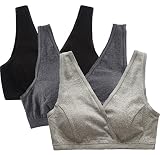
Overview: The CAKYE 3-pack nursing bra delivers essential functionality for new mothers prioritizing nighttime comfort. Designed specifically for sleep and breastfeeding, this criss-cross style bra eliminates complicated clasps and underwires that can dig into sensitive skin during postpartum recovery. The organic cotton construction addresses common concerns about fabric irritation during hormonal changes, while the double-layered front provides modesty and accommodates nursing pads without additional bulk. At $23.99 for three bras, this set targets budget-conscious mothers seeking practical basics rather than luxury features.
What Makes It Stand Out: This bra’s primary distinction lies in its radical simplicity—no hooks, no snaps, no underwire, and no removable pads to lose in the laundry. The pull-aside access works intuitively with one hand, crucial when holding a hungry infant at 3 AM. The side pockets for optional pad insertion offer customization without forcing padding on mothers who prefer a natural feel. Its positioning as a multi-purpose garment (sleep, yoga, travel, post-surgery) extends its utility beyond the typical 6-month nursing period.
Value for Money: At approximately $8 per bra, this 3-pack offers exceptional affordability in the maternity market. Comparable single bras often retail for $15-25 each. While lacking premium features like moisture-wicking synthetics or removable padding, the cost-per-wear during intensive nursing months makes this a financially sound choice for mothers building a postpartum wardrobe on a budget.
Strengths and Weaknesses: Strengths: Unbeatable price point; genuine organic cotton softness; true one-handed access; versatile beyond nursing; minimal maintenance required. Weaknesses: Limited size range; no included padding; cotton may stretch out faster than synthetic blends; less structured support for larger busts; basic color options only.
Bottom Line: Perfect for mothers seeking no-fuss, affordable sleep bras that prioritize comfort over compression. Ideal as a starter set or backup option, though those needing more support may require supplemental daytime bras.
2. HBselect Nursing Bras for Breastfeeding, Maternity Nursing Sleep Bra Wireless Pregnancy Sleep Bralette 3/5 Pack

Overview: HBselect positions its nursing bra as a premium all-day solution with technical fabric innovations. The $35.99 price point reflects its advanced construction featuring double-layer breathable material with four-way stretch that adapts to changing breast sizes throughout pregnancy and nursing. This bra bridges the gap between sleepwear and daytime support, offering removable padding and wide adjustable straps that distribute weight more evenly than minimalist designs. It targets mothers unwilling to compromise on either comfort or a polished appearance.
What Makes It Stand Out: The removable padded inserts represent a significant upgrade over pad-pocket-only designs, providing built-in leak protection and shape that can be customized or removed. The seamless, stitch-free construction creates a smooth silhouette under clothing, virtually eliminating visible bra lines. Moisture-wicking properties address postpartum night sweats and milk leakage simultaneously, while the fabric’s shape retention after washing combats the sagging common in all-cotton alternatives.
Value for Money: At roughly $12 per bra, this sits in the mid-range pricing tier. The durability claims and multi-functionality (nursing, sports, sleep, everyday) justify the premium over budget options. For mothers seeking one bra style to handle multiple scenarios rather than maintaining separate sleep and daytime wardrobes, this consolidated approach offers long-term savings despite higher upfront costs.
Strengths and Weaknesses: Strengths: Professional seamless finish; removable padding included; moisture-wicking performance; wide comfortable straps; maintains shape after washing; versatile across activities. Weaknesses: Higher price point; synthetic blend may feel less natural than cotton; padding can shift during washing; potentially too compressive for some sleep preferences.
Bottom Line: An excellent investment for mothers wanting a single, polished bra that transitions from day to night. The technical features justify the moderate premium, particularly for those prioritizing moisture management and versatility.
3. ZUMIY Maternity Nursing Bras, Seamless Maternity Bra for Pregnancy & Breastfeeding, Comfortable Wireless Bra Night Sleep Top (M, Black+Grey+Navy blue/3pack)

Overview: ZUMIY’s 3-pack nursing bra carves a middle path with its 95% cotton, 5% spandex blend, balancing natural fiber comfort with shape-retaining stretch. Priced at $26.99, it provides specific sizing guidance that helps mothers select appropriate fit during fluctuating breast sizes. The V-cross design facilitates nighttime feeding access while the buttery-soft fabric prioritizes skin comfort during hormonal sensitivity. This bra targets mothers who want cotton’s breathability but recognize the benefits of synthetic reinforcement in high-stress areas.
What Makes It Stand Out: The precise size chart correlating band/cup sizes to small/medium/large demonstrates unusual attention to fit accuracy in a category notorious for vague sizing. The 5% spandex content, while modest, prevents the excessive stretching and bagging that pure cotton sleep bras develop after weeks of wear. The side-seam pockets for optional pads provide leak protection without mandatory padding, respecting individual preferences for natural shape versus enhanced coverage.
Value for Money: At $9 per bra, this offers a sweet spot between budget and premium options. The cotton-spandex blend delivers better longevity than pure cotton while maintaining natural fiber benefits, potentially reducing replacement frequency. The detailed sizing reduces the risk of ordering incorrect sizes—a common hidden cost in online bra shopping—making it economically efficient despite not being the absolute cheapest option.
Strengths and Weaknesses: Strengths: Smart fabric blend; detailed sizing chart; true cotton comfort with added stretch; versatile V-cross access; pockets for optional pads; moderate price point. Weaknesses: Limited color variety; 5% spandex may still stretch over time; no included pads; less structured than daytime bras; brand confusion warning in listing.
Bottom Line: A well-balanced choice for mothers seeking cotton comfort with improved durability. The thoughtful sizing guidance makes it particularly suitable for first-time mothers uncertain about maternity fit.
4. Suekaphin 5pack Nursing Bra Maternity Bra Breastfeeding Sleeping/Sleep Bra Pregnancy Women’s Seamless Bralette Wirefree,Medium,Black/Gray/Navy/Bean/Lightblue

Overview: Suekaphin’s 5-pack nursing bra emphasizes quantity and durability, delivering five seamless bras for $39.99—effectively providing a full week’s rotation. The brand focuses on foundational wardrobe building, positioning these as “maternity basics” rather than luxury items. The moisture-wicking construction addresses practical concerns about leakage and night sweats, while the seamless design prevents irritation during extended wear. This package targets mothers who want to minimize laundry frequency and establish a consistent, reliable bra wardrobe without premium pricing.
What Makes It Stand Out: The five-bra quantity is the most generous in this comparison, eliminating the “wash daily” dilemma that plagues smaller packs. The explicit focus on durability and chafe-free design acknowledges that these bras undergo near-constant wear during peak nursing months. The moisture-wicking feature, rarely found in budget multi-packs, demonstrates surprising technical consideration for the price point. The “pregnancy capsule wardrobe” positioning helps mothers conceptualize these as essential infrastructure rather than disposable accessories.
Value for Money: At $8 per bra, this matches the cheapest per-unit price while offering superior value through the five-bra set. The durability claims suggest a longer lifespan than typical budget options, further amortizing the cost. For mothers wanting a “set it and forget it” solution that covers an entire work week plus laundry buffer, this pack eliminates the need for supplemental purchases, delivering comprehensive value despite the higher total ticket price.
Strengths and Weaknesses: Strengths: Best quantity value; moisture-wicking performance; seamless comfort; durable construction; full week rotation; chafe-free design. Weaknesses: Higher upfront cost; may lack premium features like removable pads; limited style options; potentially excessive quantity for occasional users; basic aesthetic.
Bottom Line: Ideal for mothers who want maximum convenience and minimal laundry. The five-pack provides unmatched quantity value, making it perfect for those preferring consistent basics over varied styles.
5. Caramel Cantina 4 Pack Nursing Maternity Women’s Sleep Comfort Bralette Bra (XX-Large, Black)

Overview: Caramel Cantina’s 4-pack represents the premium end of nursing sleep bras, commanding $44.99 through superior materials and construction. The nylon-spandex blend offers exceptional four-way stretch that accommodates size fluctuations throughout pregnancy, nursing, and beyond—explicitly designed for extended wear post-weaning. The double-layered front and wide straps provide more substantial support than typical sleep bras, while the tag-free design eliminates irritation. This product targets mothers viewing their nursing bra as a long-term comfort garment rather than a temporary necessity.
What Makes It Stand Out: The nylon-spandex construction delivers professional-grade stretch and recovery that cotton blends cannot match, maintaining shape through countless washes. The brand’s acknowledgment that women continue wearing these bras long after nursing validates the higher investment—this isn’t disposable maternity wear but permanent loungewear. The side seams enabling the criss-cross front create a more structured, supportive fit than seamless knit alternatives while maintaining comfort. The machine-washable durability addresses practical time constraints of new motherhood.
Value for Money: At $11.25 per bra, this sits in the upper-mid range, but the longevity claims and post-nursing utility justify the premium. If mothers wear these for 2+ years beyond the nursing period, the cost-per-wear drops below budget options that stretch out and require replacement. The durable synthetic construction resists the degradation that plagues cotton, making this a long-term wardrobe investment rather than a short-term expense.
Strengths and Weaknesses: Strengths: Superior stretch and recovery; durable nylon-spandex; tag-free comfort; structured yet comfortable; post-nursing longevity; machine washable; wide supportive straps. Weaknesses: Highest price point; synthetic feel may not suit cotton purists; no included pads; limited color selection in some packs; potentially overbuilt for mothers wanting minimal support.
Bottom Line: Best for mothers seeking a durable, long-term comfort bra that justifies its price through extended wearability. The premium materials make it a smart investment for those who continue wearing nursing bras as lounge bras post-weaning.
6. Medela Nursing Bras for Breastfeeding, Keep Cool Sleep Bra Seamless Soft Fabric Pregnancy & Maternity Bra Chai

Overview: The Medela Keep Cool Sleep Bra is a specialized nighttime nursing garment engineered for breathability and comfort throughout pregnancy and breastfeeding. This single bra features Medela’s proprietary cooling technology in a hook-free, seamless design specifically crafted for sleep-sensitive mothers who prioritize temperature regulation.
What Makes It Stand Out: The Quick Dry technology combined with a full back breathing zone and racerback design actively wicks moisture away, addressing postpartum night sweats effectively. The hook-free, clipless construction eliminates hardware that could dig into tender breast tissue during sleep. The crossover front provides intuitive pull-aside nursing access without fumbling for clasps in darkened rooms.
Value for Money: At $17.39 for one bra, you’re investing in Medela’s research-backed cooling technology and brand reliability. While pricier than multi-pack basics, the targeted temperature regulation justifies the cost for mothers struggling with overheating. This is a specialty garment, not a budget workhorse.
Strengths and Weaknesses: Strengths include exceptional breathability, true sleep-focused engineering, quality construction, and easy nighttime access. Weaknesses include single-bra packaging, limited daytime support, potential staining on light “chai” color, and lack of adjustability for significant body changes.
Bottom Line: This bra excels for its singular purpose—cool, comfortable nighttime nursing. It’s ideal for mothers prioritizing temperature control and minimal hardware, though budget-conscious shoppers may prefer multi-pack options for daily rotation.
7. KUCI Maternity Nursing Bra Wireless Cotton Breastfeeding Bra for Sleep (Black+Grey+Red Wine/3Pack, XXL)

Overview: The KUCI 3-Pack Nursing Bra set delivers fundamental cotton comfort for sleep and lounging during maternity and breastfeeding. This value-oriented package provides three wireless bras in a 95% cotton blend designed for mothers with sensitive skin who prefer natural fibers against their changing bodies.
What Makes It Stand Out: The high cotton content distinguishes it from synthetic-heavy competitors, offering natural breathability and softness. Built-in pad pockets with separately removable cups simplify washing and pad management. The pull-on style with no clasps creates a truly seamless experience ideal for side-sleepers and those irritated by hardware pressing against healing bodies.
Value for Money: At $26.99 for three bras (approximately $9 each), this set offers exceptional value. The cotton construction and thoughtful features like armpit-fat-concealing side bands provide premium comfort at a budget price point, significantly undercutting single-bra options while providing wardrobe variety.
Strengths and Weaknesses: Strengths include natural cotton fabric, excellent price-per-unit, built-in pad pockets, and comfortable wireless support. Weaknesses include limited size range documentation, no adjustment straps for body fluctuations, and pull-on style may lose elasticity faster than back-clasp designs. Lack of included extenders reduces long-term versatility.
Bottom Line: This 3-pack is perfect for mothers seeking affordable, natural cotton bras for home wear. The simplicity and value make it ideal for building a basic nursing wardrobe, though those needing structured support or significant adjustability should consider alternatives.
8. Suekaphin 5PACK Nursing Bra Wireless Bra Women’s Sleeping Maternity Bra Breastfeeding Bra,Medium,Sort Rib-A

Overview: The Suekaphin 5-Pack Nursing Bra provides a comprehensive wardrobe solution for maternity and breastfeeding. This budget-friendly set includes five wireless bras with color-matched extenders, designed to accommodate your changing body from pregnancy through postpartum and beyond without requiring additional purchases.
What Makes It Stand Out: The inclusion of extenders in each pack provides exceptional adaptability as your ribcage expands and contracts. The one-step feeding clasp enables true single-handed cup removal, crucial when holding a hungry infant. The fabric’s pilling and fade resistance ensures longevity through countless washes, maintaining both appearance and function through extended use.
Value for Money: At $29.69 for five bras with extenders (under $6 per bra), this represents outstanding value. The durability-focused design means these bras maintain shape and color longer than typical budget options, stretching your investment across months of constant use and potentially multiple pregnancies.
Strengths and Weaknesses: Strengths include unbeatable price-per-unit, included extenders, one-handed operation, adjustable straps, and durable fabric. Weaknesses include synthetic material may not suit cotton purists, limited style variety in some packs, and the wireless design provides modest lift that may be insufficient for larger busts during active daytime wear.
Bottom Line: This 5-pack is the ultimate value choice for budget-conscious mothers wanting a complete nursing bra wardrobe. The extenders and durable construction maximize longevity, making it perfect for those needing multiple bras for daily rotation without sacrificing essential functionality.
9. CAKYE 3 Pack Cotton Maternity Nursing Bras Breastfeeding Sleep Bra Pregnancy Bralette (Medium)

Overview: The CAKYE 3-Pack Cotton Nursing Bra prioritizes natural fabric and minimalist design for mothers seeking simplicity. These bralette-style nursing bras feature ultra-soft cotton construction with a unique pull-aside access system for discreet breastfeeding day or night, extending utility beyond the nursing period.
What Makes It Stand Out: The double-layered front provides gentle support without removable padding, eliminating the hassle of shifting pads while offering built-in modesty. The pull-aside access creates a smooth, clasp-free silhouette that many find more comfortable for sleep. Its versatility extends beyond nursing to yoga, travel, and post-surgical wear, maximizing the product’s lifecycle.
Value for Money: At $22.99 for three bras (about $7.66 each), this set offers solid mid-range value. The 100% cotton construction justifies a slightly higher price than synthetic alternatives, while the multi-use design means you can continue wearing these long after breastfeeding concludes, improving cost-per-wear.
Strengths and Weaknesses: Strengths include pure cotton comfort, versatile usage, simple pull-aside design, built-in pad pockets, and gentle support ideal for sleep and lounging. Weaknesses include pull-aside access may feel less secure than clip designs, no included extenders, limited color options, and the lack of padding may not suit those wanting shaping or nipple concealment.
Bottom Line: These cotton bralettes excel for mothers prioritizing natural fibers and versatility. They’re ideal for sleep, light activity, and postpartum recovery, though those preferring structured support or clip-style access may find the minimalist design better suited for home use than daytime wear.
10. Suekaphin Nursing Bra 5pack Wireless V Neck Maternity Nursing Bra Bralette Low Cut Sleeping Breastfeeding with Extenders,Large,Black/Nude/Pink/Gray/PurpleBean
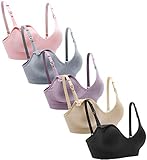
Overview: The Suekaphin V-Neck 5-Pack elevates the basic nursing bra with a stylish low-cut design suitable for various necklines. This set combines functionality with aesthetics, offering five wireless nursing bras in a fashionable color palette with coordinating extenders for comprehensive wardrobe integration throughout your maternity journey.
What Makes It Stand Out: The V-neck silhouette distinguishes it from typical high-neck nursing bras, making it compatible with lower-cut tops and dresses without revealing bra lines. The coordinated color range (black, nude, pink, gray, purple) provides true wardrobe versatility. The one-step clasp and adjustable straps maintain the brand’s focus on practical functionality while improving aesthetic appeal.
Value for Money: At $37.99 for five bras with extenders (approximately $7.60 per bra), this set delivers strong value despite being pricier than the brand’s basic pack. The style versatility means fewer wardrobe limitations, potentially reducing the need for additional “nice” nursing bras and saving money long-term while maintaining a polished appearance.
Strengths and Weaknesses: Strengths include stylish V-neck design, comprehensive color selection, included extenders, one-handed operation, and durable, smooth fabric that resists pilling. Weaknesses include higher price than other multi-packs, the low cut may not provide enough coverage for modest preferences, and wireless design offers modest support that may not suit all body types or activity levels.
Bottom Line: This V-neck set is perfect for mothers wanting nursing bras that don’t look like nursing bras. The style-conscious design and included extenders make it ideal for those needing functional undergarments that work with a broader wardrobe range while maintaining nursing convenience.
Understanding Maternity Sleep Bras: Your Nighttime Feeding Companion
What Sets Them Apart from Regular Bras
Maternity sleep bras aren’t just stretchier versions of your daytime nursing bras. They’re engineered specifically for horizontal wear and frequent access, with design elements that prioritize comfort over shaping. Unlike underwired daytime bras that focus on lift and profile, sleep bras offer gentle compression and stabilization that moves with your body as you shift positions throughout the night. The hallmark difference lies in their seamless construction and the strategic placement of support panels that prevent breast tissue from pulling while you lie on your side, reducing the risk of clogged ducts—a concern that keeps many lactation consultants up at night.
The Evolution of Maternity Sleepwear
The modern maternity sleep bra represents decades of feedback from breastfeeding mothers who struggled with makeshift solutions. Early iterations were simply sports bras with clips added, but today’s designs incorporate moisture-wicking technology, adaptive stretch that accommodates fluctuating milk supply, and patented closure systems that can be opened with one hand while cradling a hungry baby. This evolution reflects a deeper understanding of how breast tissue behaves during lactation and how crucial uninterrupted sleep cycles are for maternal mental health.
Why Night Feeds Demand Specialized Support
Protecting Your Breast Health Around the Clock
Your breasts don’t clock out when you do. Throughout the night, they’re actively producing milk, becoming fuller and heavier by the hour. Without proper support, the Cooper’s ligaments—your breast’s natural support structure—experience strain that can lead to long-term sagging. More immediately, inadequate support during side-lying positions can compress milk ducts against the mattress, creating painful blockages. A well-designed sleep bra distributes this increasing weight evenly, preventing the localized pressure points that trigger mastitis, a condition that affects up to 20% of breastfeeding mothers.
The Sleep-Breastfeeding Connection
Research shows that mothers who feel physically comfortable during night feeds return to sleep more quickly and report better sleep quality overall. A sleep bra that requires minimal adjustment means less disruption to your circadian rhythm. When you can seamlessly unclip, feed, and reclasp without fully waking your brain, you’re more likely to preserve those precious sleep cycles. This isn’t just about convenience—it’s about safeguarding your cognitive function and emotional resilience during a period of extreme sleep deprivation.
Essential Features That Define Quality
Fabric Technology and Breathability
The fabric against your skin during eight hours of sleep matters immensely. Look for materials with four-way stretch that recover their shape but don’t constrict. Micro-modal blends offer exceptional softness and temperature regulation, while advanced cotton-spandex combinations provide breathability with just enough hold. Avoid fabrics with less than 5% elastane—they’ll stretch out quickly and lose support. The gold standard includes moisture-wicking properties that draw milk leakage and night sweat away from your skin, preventing the yeast infections and thrush that thrive in warm, damp environments.
Support Without Restriction
The paradox of a great sleep bra is that it must support without squeezing. This is achieved through wide under-bust bands that anchor the bra without elastic that digs in, and strategic knit patterns that offer more support at the base of the cup while remaining flexible at the top. The best designs use what industry experts call “differential stretch”—different tension levels in different zones. You’ll want enough compression to hold nursing pads securely against your skin, but not so much that it restricts lymphatic drainage or blood flow, which is crucial for tissue health.
Accessibility Design Elements
Clip-down cups should operate with a single hand, releasing with a simple squeeze motion and reattaching with a satisfying click you can hear and feel in the dark. Magnetic closures, while innovative, can be problematic if they attach to themselves in the wash. Look for plastic hardware that’s been barrel-tested for durability—cheap clips will crack after a few weeks of 8-10 daily openings. The strap-to-cup connection point should be reinforced with bar-tacking stitches, and the clip itself should sit flush against your skin without protruding when you lie on your side.
Finding Your Perfect Fit: A Sizing Masterclass
The Pregnancy to Postpartum Size Journey
Your breasts will likely increase by one to two cup sizes during pregnancy and another size when your milk comes in. This means a bra that fits at 30 weeks pregnant might be too small at 2 weeks postpartum. Smart sizing strategy involves planning for this fluctuation. Many experts recommend purchasing your third-trimester size plus one cup size up. The band should fit on the loosest hook initially, allowing you to tighten as your ribcage contracts postpartum. Remember: a too-tight band is worse than a slightly loose one—it can restrict milk flow and cause plugged ducts.
Measuring Yourself at Home
Forget the traditional +4 inches to your band measurement—that formula was designed for structured, wired bras. For sleep bras, measure your underbust firmly but comfortably, then measure your fullest point while leaning forward at 45 degrees. The difference between these numbers gives your cup size. However, sleep bras use alpha sizing (S, M, L) more often than numeric sizing. Use the brand’s specific chart, as “medium” varies dramatically between manufacturers. Pro tip: measure yourself at the end of the day when you’re most engorged, and always size up if you’re between sizes.
When to Reassess Your Size
Your size changes most dramatically in the first 12 weeks postpartum, then stabilizes around 3-4 months when supply regulates. However, you’ll need to reassess if you experience sudden changes: a growth spurt, illness affecting feeding frequency, or when you begin dropping night feeds. A bra that suddenly leaves red marks, rides up your back, or feels too loose in the cups is signaling it’s time to remeasure. Keep a soft measuring tape in your nightstand for quick monthly checks.
Style Variations and What They Mean for You
Pull-Over vs. Closure Styles
Pull-over styles offer ultimate comfort with no hardware to dig into your back, making them ideal for side-sleepers. However, they provide less adjustability and can be challenging to remove when soaked with milk. Closure styles with hooks or clasps allow for band adjustment as your body changes, but the hardware must be low-profile and covered with soft fabric. For C-cup and above, closure styles generally offer better support. A hybrid approach—a pull-over style with an adjustable racerback clip—gives you the best of both worlds.
Strap Styles for Every Body
Racerback designs distribute weight across your shoulders and prevent strap slippage, which is especially helpful if you have narrow shoulders. Traditional straight straps offer easier clip-down access but may require more frequent adjustment. Look for straps that are at least ¾ inch wide to prevent digging, with fully adjustable sliders that stay put after washing. Some innovative designs feature convertible straps that can be worn straight or crossed, adapting to your changing comfort preferences throughout your nursing journey.
Cup Design: From Crossover to Clip-Down
Crossover styles provide the easiest access—simply pull the fabric aside—but offer minimal support for larger breasts and can stretch out permanently. Full-coverage clip-down cups maintain shape better and provide more secure pad placement. The emerging “petal cup” design features overlapping fabric layers that separate naturally when you pull down, offering a middle ground between crossover and clip-down. For night feeds, avoid partial-coverage cups; you want full containment to prevent spillage during letdown.
Material Deep Dive: What Touches Your Skin Matters
Natural Fibers: Cotton and Bamboo
Organic cotton offers breathability and is ideal for mothers with sensitive skin or allergies, but it lacks the recovery power of synthetics and may stretch out quickly. Bamboo viscose is naturally antibacterial and excels at temperature regulation, keeping you cool during hormonal hot flashes. However, pure bamboo can be heavy when wet and may not provide enough support on its own. Look for bamboo blended with spandex (around 10%) for better structure. Both materials should be certified OEKO-TEX Standard 100 to ensure no harmful chemicals touch your skin or your baby’s mouth.
Synthetic Performance Fabrics
Nylon-spandex blends dominate the performance category, offering superior moisture management and shape retention. These fabrics can be engineered with specific knit patterns that provide zoned support. The downside? Some mothers report they feel less “natural” and may retain odors if not cared for properly. If choosing synthetics, ensure they have anti-microbial treatments and are free from PFAS (forever chemicals) often used in moisture-wicking treatments. Mesh panels should be integrated for ventilation, not just aesthetic appeal.
Blended Materials: Best of Both Worlds
The most sophisticated sleep bras use strategic blending—cotton-modal for the cup lining that touches your skin, with a nylon-spandex support frame. This hybrid approach gives you natural fiber benefits where it matters while maintaining structure and durability. Some premium options incorporate a touch of merino wool, which naturally regulates temperature and resists odor, perfect for the mother who doesn’t want to wash bras daily. These blends typically cost more but offer longevity that justifies the investment.
Support Levels Decoded
Light Support for Early Pregnancy
In early pregnancy and the first weeks postpartum before milk regulates, light support is often sufficient and most comfortable. These bras offer gentle compression similar to a camisole with a built-in shelf, primarily preventing breast movement that disrupts sleep. They’re ideal for A-B cups, mothers with smaller frames, or those who primarily sleep on their backs. The key is that they still have separate cups—avoid true shelf bras that can compress breast tissue together, increasing mastitis risk.
Medium Support for Established Nursing
Once your supply regulates (typically 4-12 weeks postpartum), medium support becomes crucial. These bras feature wider bands, reinforced side panels, and cups with defined shape. They’ll hold heavier, milk-filled breasts in place during side-lying feeds and prevent the painful pulling sensation when you roll over. For C-D cups, this is your sweet spot. The support should feel like a gentle hug, not a vise. If you can slip two fingers under the band but it doesn’t ride up, you’ve found the right tension.
Firm Support for Heavy Milk Supply
Mothers with E-cup and above, or those with oversupply issues, need firm support even at night. These bras use power mesh linings, wider straps (1 inch minimum), and sometimes light internal slings to distribute weight. Crucially, they should still have stretch—firm doesn’t mean rigid. Look for designs with “floating” under-bust bands that move with your breathing rather than rigid elastic. Some include optional strap extenders for nighttime versus daytime wear, acknowledging that your support needs change when you’re horizontal.
Practical Considerations for Nighttime Use
Leakage Protection Integration
A sleep bra should hold nursing pads flush against your skin without wrinkles that cause leaks. The best designs feature a double-layer pocket in each cup where you can insert pads—this prevents pad migration and keeps them in place during feeding. Some bras integrate waterproof barriers into the fabric itself, but these can be noisy and less breathable. The ideal solution is a bra that works seamlessly with reusable bamboo or cotton pads, which are more breathable than disposables and create less waste.
Managing Night Sweats and Temperature Regulation
Postpartum hormones can turn your sleep environment into a sauna. Your bra should work with your body’s thermoregulation, not against it. Look for moisture-wicking treatments that are permanent, not spray-on finishes that wash away. Strategic mesh placement under the bust and along the spine allows heat to escape where you need it most. Some advanced fabrics incorporate phase-change materials that absorb excess heat when you’re hot and release it when you cool down—technology originally developed for astronauts now available for nursing mothers.
Durability Through Countless Washes
You’ll wash these bras every 1-2 days, so durability is non-negotiable. Quality indicators include reinforced stitching at all stress points, bar-tacking at strap attachments, and hardware that’s rust-resistant. Test the fabric stretch before buying—pull a cup edge and release. It should snap back immediately without sagging. Cheap bras lose elasticity after 10-15 washes, while quality ones maintain support through 50+ washes. Consider this cost-per-wear when budgeting; a $50 bra that lasts 6 months is cheaper than replacing a $20 bra monthly.
Building Your Maternity Sleep Bra Wardrobe
How Many Bras Do You Really Need?
The magic number is 3-4 bras in rotation. This allows for one to wear, one in the wash, one drying, and one spare for those inevitable middle-of-the-night soak-throughs. If you have heavy leakage, increase to 5. Any fewer and you’ll wear them out faster through over-washing. Any more and you’re overspending on items you’ll only use for a limited time. Start with 2-3 in your third trimester, then add another 1-2 once your milk comes in and you know your actual size and leakage patterns.
Creating a Versatile Collection
Rather than buying identical bras, build a collection with slight variations: a pull-over style for nights when you’re too tired to deal with clasps, a clip-down style for maximum support, and perhaps a crossover style for lazy weekend naps. Choose a mix of colors—dark colors hide leaks better but can feel depressing; light colors show stains but help you spot issues like blood from cracked nipples quickly. Having one bra with slightly firmer support for the nights before your period (when breasts are extra tender) can be a game-changer.
Budget-Friendly Strategies
Quality sleep bras range from $25 to $60. If budget is tight, invest in one premium bra for heavy-leakage nights and supplement with more affordable options. Many mothers find that buying during pregnancy sales or using registry completion discounts saves 20-30%. Consider second-hand options from specialized maternity resale sites—sleep bras are often gently used since they’re worn for such a short period. Just sanitize thoroughly by soaking in a vinegar-water solution before first wear.
Common Pitfalls and How to Avoid Them
Sizing Errors That Cause Discomfort
The most frequent mistake is buying your pre-pregnancy size or sizing down for “more support.” This backfires spectacularly, creating pressure points that lead to plugged ducts. Another error is not accounting for the “milk come-in” surge—plan for an extra cup size, minimum. Don’t trust vanity sizing; use a tape measure every time. Finally, remember that your band size decreases postpartum while cup size increases temporarily. A bra that’s perfect at 8 weeks postpartum might be too loose in the band by 6 months.
Fabric Choices That Lead to Frustration
Steer clear of 100% cotton without spandex—it will stretch out and offer no support by week two. Avoid lace overlays that look pretty but irritate sensitive nipples and trap milk. Be wary of “bamboo” that’s actually rayon—check the certification. Some fabrics marketed as “moisture-wicking” are treated with finishes that wash out after a few cycles; look for inherent fiber properties rather than chemical treatments. And never choose a fabric that feels rough against your inner wrist—that’s how it will feel against your nipples at 2 AM.
Style Mismatches for Your Lifestyle
A clip-down bra is useless if you have arthritis in your hands. A racerback is uncomfortable if you have a history of shoulder issues. A pull-over style is impractical if you’re recovering from a C-section and can’t lift your arms high. Consider your physical limitations, sleep position habits, and whether you co-sleep (where quick, quiet access is paramount). The “best” bra is the one that works for your specific situation, not the one with the most features or highest price tag.
Caring for Your Investment
Washing Best Practices
Never use fabric softener—it coats the fibers and destroys moisture-wicking properties. Wash in cool water on a gentle cycle, or better yet, hand wash. Use a detergent free from dyes and fragrances that can irritate sensitive tissue. For milk stains, rinse immediately in cold water (hot water sets the protein), then soak in an enzyme cleaner before washing. Always air dry; dryer heat breaks down spandex fibers. If you must machine dry, use the lowest heat setting for 10 minutes max to fluff, then air dry completely.
Extending the Lifespan of Your Bras
Rotate your bras religiously—wearing the same one two nights in a row doesn’t give the elastic time to recover. Store them flat in a drawer, not hanging by the straps, which causes stretching. For bras with clips, fasten them before washing to prevent snagging. If the band starts feeling loose, move to a tighter hook before the elastic is completely shot—this can buy you another month of wear. Keep a “bra diary” noting when you bought each one; replace them every 6-8 months of regular use, sooner if you notice sagging.
Storage Solutions
Keep your current rotation in a dedicated drawer organizer so you’re not fumbling in the dark. Store nursing pads in the cups to maintain shape between wears. For long-term storage (if you’re planning another baby), wash thoroughly, ensure they’re completely dry, and store in a breathable cotton bag with cedar chips to prevent mildew and moths. Never store in plastic, which traps moisture and degrades elastic. Label by size and purchase date so you can assess condition when you retrieve them.
When to Transition Beyond Maternity Sleep Bras
Signs You’re Ready for Regular Bras
You’ll know it’s time when your milk supply has regulated for at least a month, you’re no longer leaking at night, and your size has remained consistent for six weeks. Typically this occurs around 6-12 months postpartum, though some mothers need supportive sleep bras longer. The transition should be gradual—start by wearing your sleep bra one night and a soft, wireless bra the next. Never rush back to underwire; your breast tissue is still vulnerable to compression issues until several months after weaning.
The Weaning Wardrobe Shift
As you drop feeds, your breast size will decrease gradually. This is the time to reassess fit weekly. A bra that was perfect during full-time nursing will become too loose. You might temporarily need a firmer band as your ribcage returns to pre-pregnancy size but your cups are still larger than pre-pregnancy. Some mothers find that a supportive sports bra bridges the gap between maternity and regular bras. The key is listening to your body—any new pain, pulling, or discomfort means your bra is no longer serving you.
Frequently Asked Questions
How tight should my maternity sleep bra feel at night?
Your sleep bra should feel like a gentle hug, not a squeeze. You should be able to slide two fingers under the band easily, and the fabric shouldn’t leave red marks that last more than a few minutes after removal. If you take a deep breath and feel restriction, it’s too tight. Remember, your ribcage expands when you lie down, so a bra that feels perfect standing might be too snug in bed. The goal is support without compression, especially important for preventing clogged ducts and maintaining healthy milk flow.
Can I just wear a regular sports bra instead of buying maternity sleep bras?
While it’s tempting, regular sports bras are designed for vertical activity, not horizontal sleep. They often compress breast tissue together (increasing mastitis risk) and lack the easy-access features you need for night feeds. The underband is typically too narrow for comfortable side-lying, and the moisture-wicking is designed for sweat, not milk. However, a specifically designed low-impact yoga bra might work temporarily if it has separate cups and no underwire. For the 6+ months you’ll be night feeding, a purpose-built maternity sleep bra is a worthwhile investment in your health and comfort.
When during pregnancy should I start wearing a maternity sleep bra?
Most women benefit from switching around 20 weeks, when breast tenderness peaks and you begin side-sleeping exclusively. However, if you’re experiencing discomfort, leakiness, or find your regular bras are irritating, start earlier. Buying in your third trimester (28-32 weeks) is strategic—you’ll be close to your postpartum size but can still get some wear during pregnancy. Just remember to size up one cup and one band size from your current measurement to account for milk coming in. Many mothers find wearing a sleep bra during pregnancy helps them adjust to the sensation before the sleep-deprived newborn stage.
How do I prevent my nursing pads from bunching up inside my sleep bra?
Choose a bra with a dedicated pad pocket or double-layer cup design. Insert pads when the bra is off your body, smoothing them flat against the inner layer. Use contoured pads rather than flat ones—they conform to your shape better. Some mothers sew a small vertical stitch in the center of each cup pocket to create two compartments, keeping pads perfectly positioned. Avoid pads that are too small; they should extend about an inch beyond your areola in all directions. If bunching persists, your bra cups are likely too big, allowing too much movement.
Will wearing a sleep bra decrease my milk supply?
A properly fitted sleep bra will not decrease supply. Problems arise only when bras are too tight, compressing milk ducts and restricting blood flow. The key is avoiding any style that flattens breast tissue or creates pressure points. If you notice decreased output, red marks lasting more than 30 minutes after removal, or areas of firmness in your breasts, your bra is too constrictive. Some mothers actually find that gentle support improves supply by preventing the engorgement that can signal the body to slow production. When in doubt, consult a lactation consultant who can assess fit.
What’s the difference between a sleep bra and a daytime nursing bra?
Daytime bras prioritize shape, separation, and often include underwire or firm molding to create a smooth silhouette under clothing. Sleep bras prioritize comfort, accessibility, and gentle compression suitable for lying down. Daytime bras typically have more structured cups, multiple hook closures, and less stretch. Sleep bras feature softer fabrics, simpler designs, and often have pull-aside access rather than clip-down. While you can sleep in a daytime nursing bra, you’ll likely find the hardware digs in and the structured cups shift uncomfortably when you’re horizontal.
How many hours a day is it safe to wear a maternity sleep bra?
You can safely wear a sleep bra 24 hours a day if it’s properly fitted and you’re comfortable. Many mothers find that keeping gentle support on around the clock actually reduces discomfort from the weight of full breasts. The critical factor is fit—if you’re wearing it continuously, you need impeccable sizing with no pressure points. Give your skin a breather daily: take it off during your shower and let your breasts air dry completely before putting a fresh bra on. This prevents yeast and bacterial growth. If you develop any skin irritation, rashes, or plugged ducts, reassess fit immediately.
Should I wear a sleep bra if I’m not breastfeeding?
Yes, if you find it comfortable. The hormone fluctuations after birth cause breast changes regardless of feeding method. Your milk will still come in and need containment, and your breasts will be tender and heavy. A sleep bra provides gentle support during this transition and can hold cold packs for comfort. For mothers who’ve experienced pregnancy loss, a soft sleep bra can provide emotional comfort and physical support without the reminder of feeding-specific features. Choose a simple pull-over style without clips if you’re not nursing.
How do I deal with night sweats in my sleep bra?
Choose bras with moisture-wicking fabrics and mesh ventilation panels. Keep two bras bedside so you can change if you wake up drenched at 3 AM. Some mothers layer a thin, absorbent nursing pad between their skin and the bra to wick moisture, changing just the pad. Wash bras daily during heavy night sweat periods to prevent odor buildup. You can also dust cornstarch-free baby powder on your skin before putting on your bra to reduce friction. If night sweats are severe, consider having one bra made from merino wool, which manages moisture and odor exceptionally well.
Can I wear my sleep bra during the day too?
Absolutely, especially during the early postpartum period when comfort trumps all. Sleep bras are perfect for lounging, light activity, and those days when you can’t fathom structured undergarments. However, they lack the support and shaping for extended walking, exercise, or wearing under fitted clothing. As you become more active, transition to a daytime nursing bra for better support and breast health. Think of your sleep bra as your “home uniform” and your daytime bra as your “going out” option—both essential but serving different purposes in your postpartum wardrobe.